// AI RESUME BUILDER • IMPORT · TAILOR · COVER LETTER
Build a resume ready to send.
Import your CV, tailor it to a job with AI, add a cover letter. You approve every change.


Built for careful job applications
Name the type of practice, the procedures you assisted and how you prepared the next chair. Give the visit volume and identify which instructions or decisions came from the dentist.

State whether you supported general dentistry, orthodontics or oral surgery.
Six chairs for orthodontic adjustment visits.
Give a daily visit count and number of operatories when both explain the pace.
25 to 30 adjustment visits across six chairs.
Name the monitoring record or result your office tracked.
Weekly spore tests over five years.
Tell the reader what you recorded in the practice system.
Implant lot numbers in Dentrix.
Identify the clinician who prescribed the instructions you gave.
Surgeon-prescribed postoperative instructions.
Use the credential or training name and jurisdiction from your record.
North Carolina radiography training.
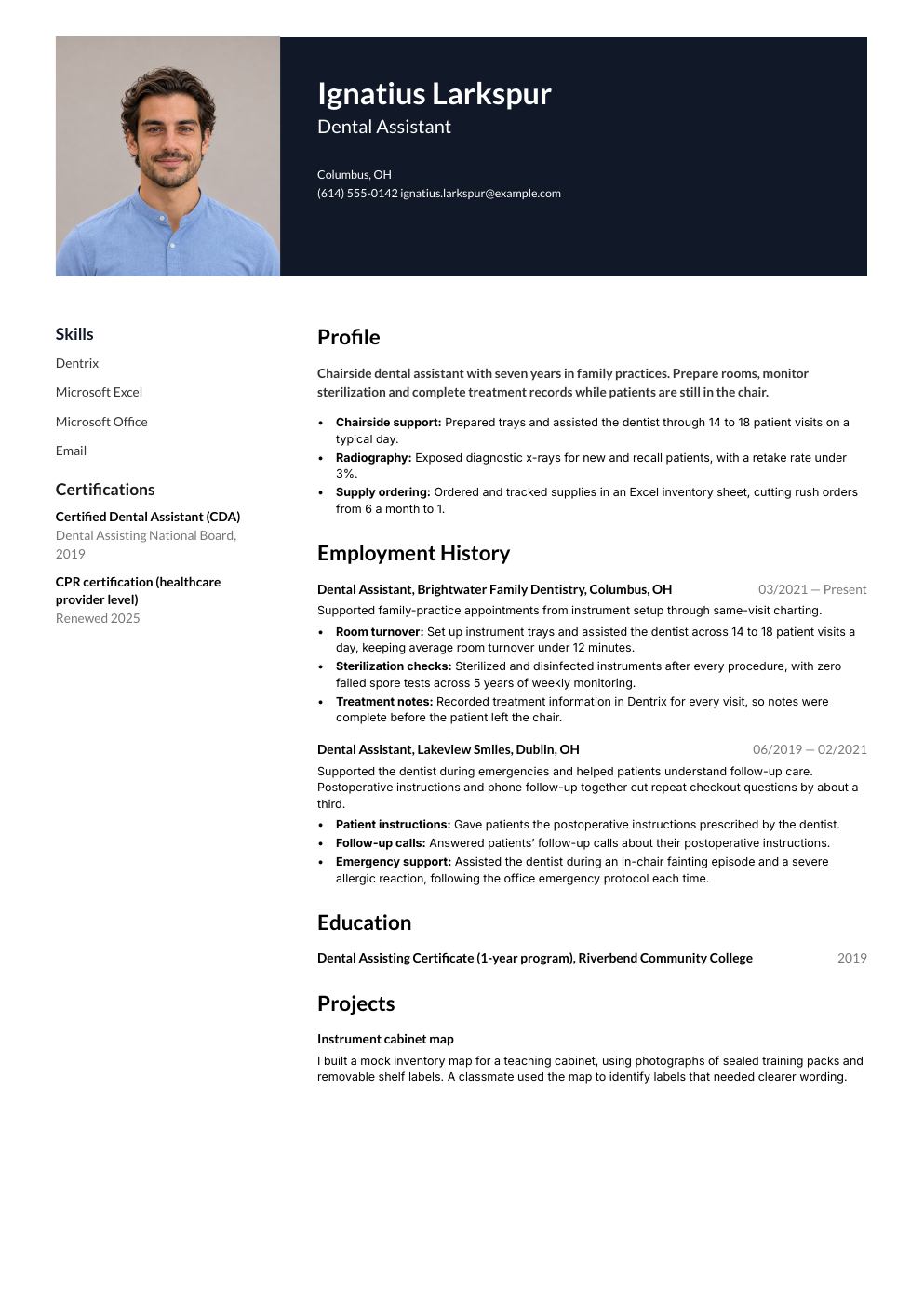
Identify the type of appointment, such as an orthodontic adjustment or an extraction. Use the terms your practice used.
Say what you prepared before the patient arrived. A surgical tray, an operatory and a new-start record are different deliverables.
Explain what you charted or which prescribed instructions you gave. Keep diagnosis and treatment decisions attributed to the clinician.
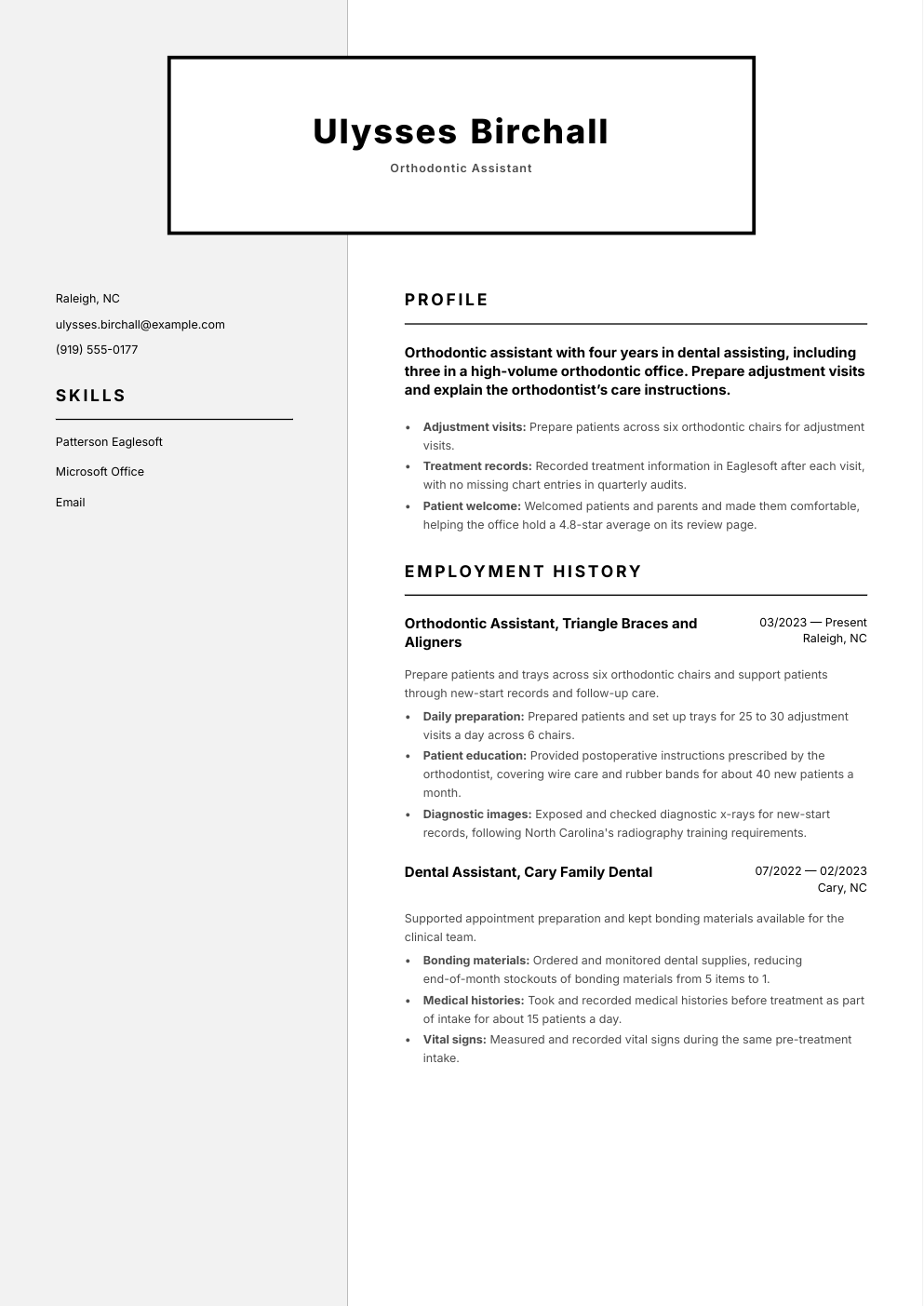
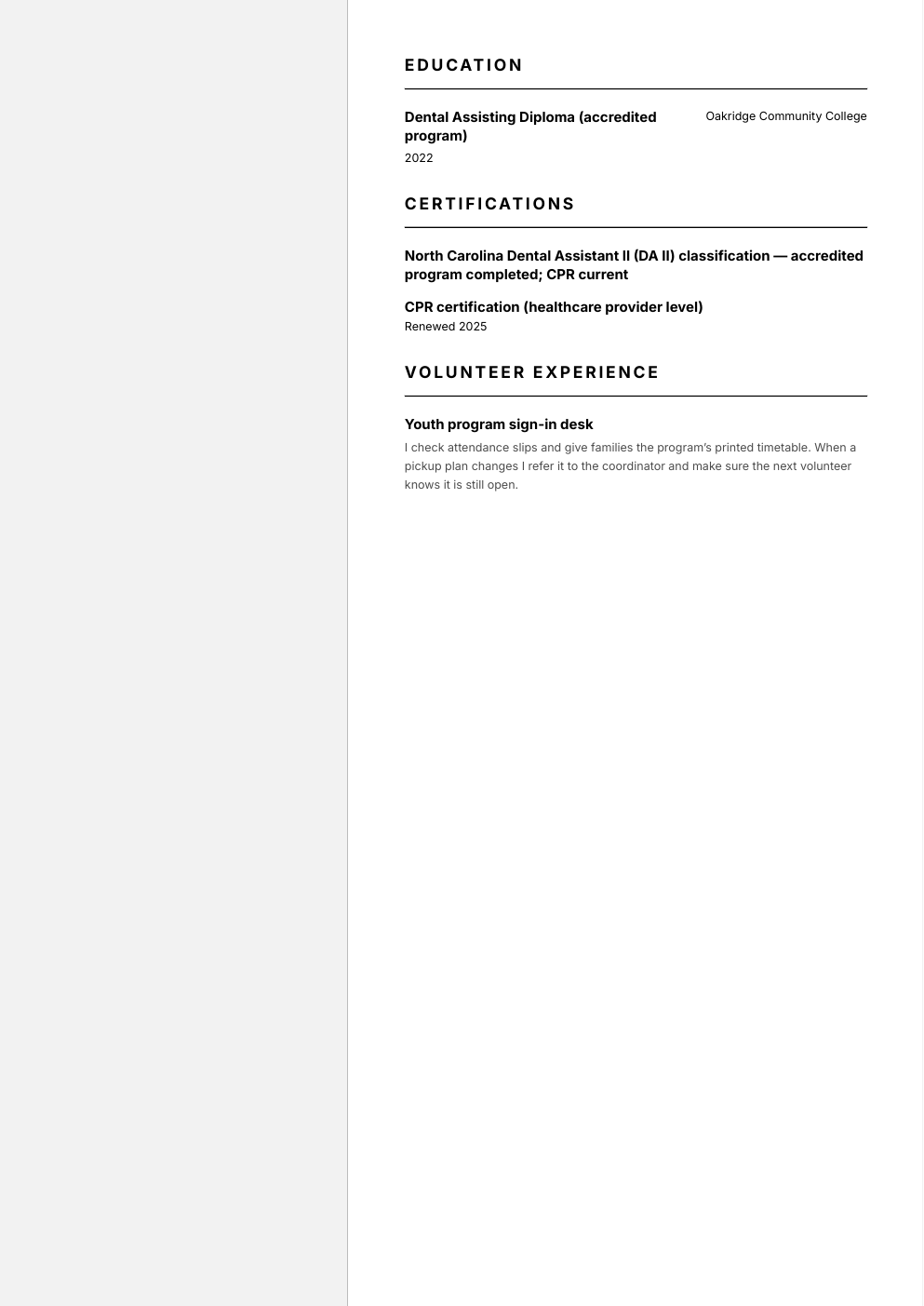
Start with the sterilization log, chart audit or radiography retake count you actually worked with.
Match the result to its evidence. A missing chart field, a failed spore test and a retake each measure something different.
Report how often the review took place and for how long. Leave room for readers to distinguish a weekly check from a five-year total.
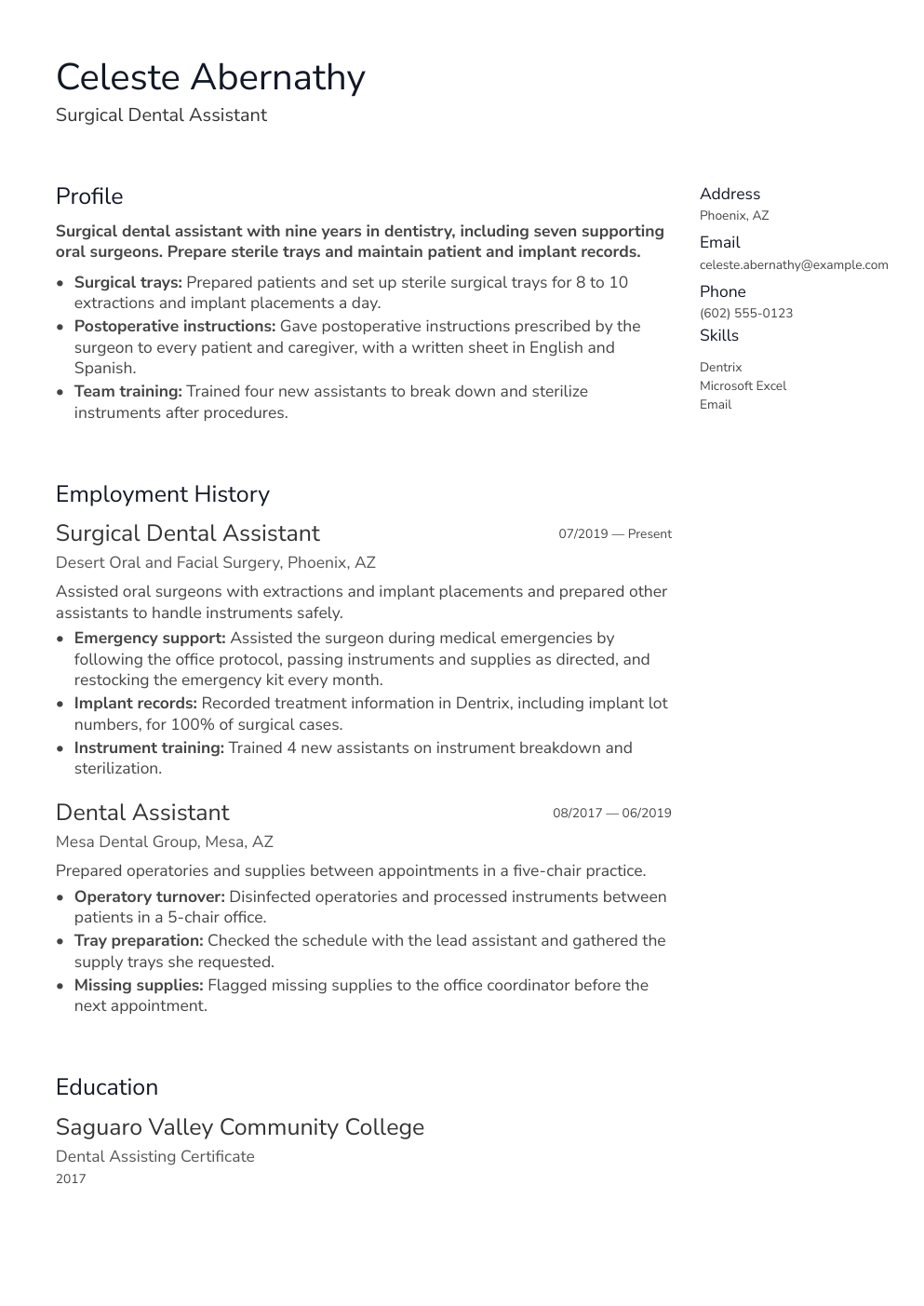
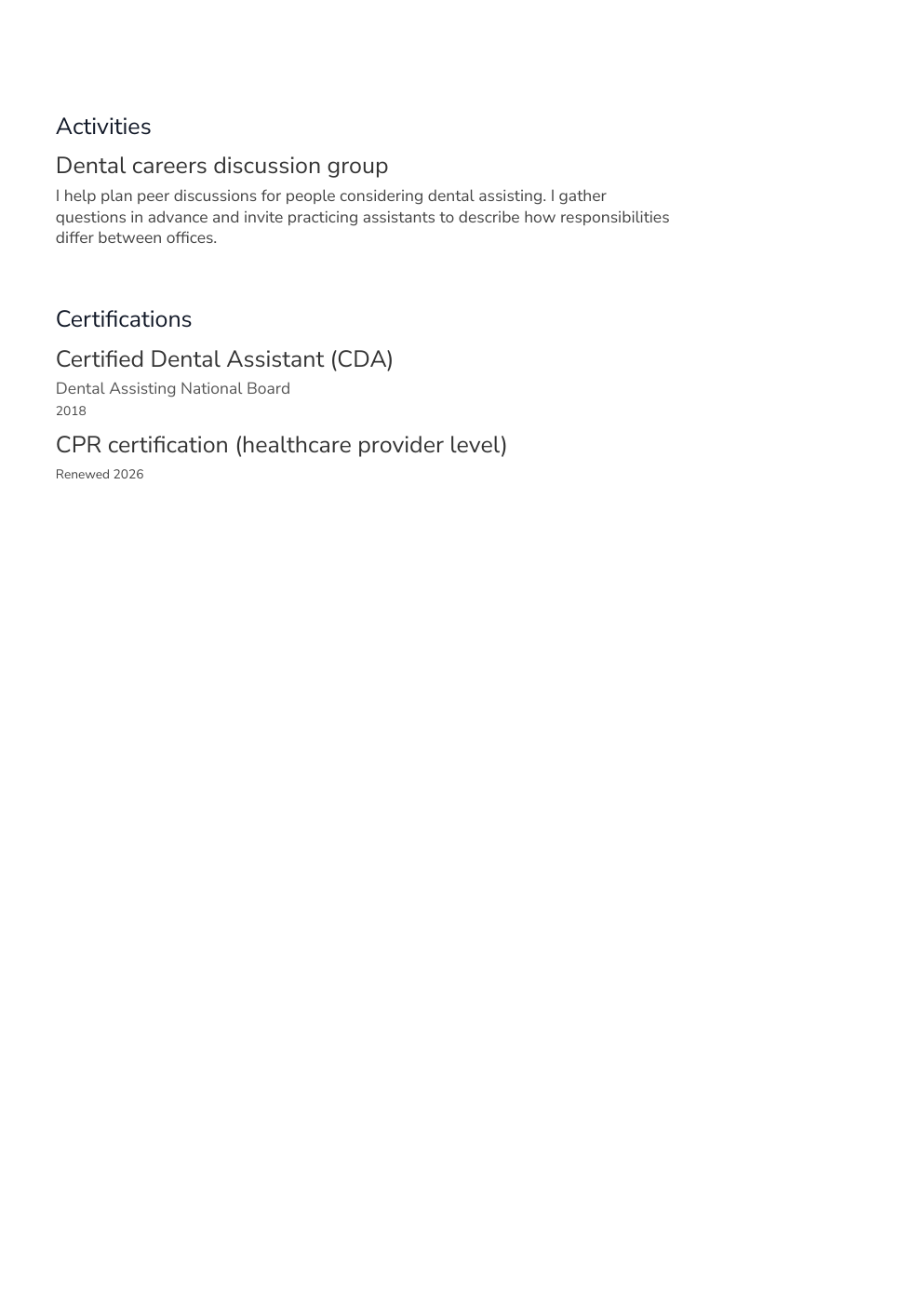
Put active credentials near the top. Name the issuing body and show any expiry date an employer needs to see.
Yes, if you performed it within your authorization. State the type of imaging and the setting where you used it.
Name the procedures you supported and the setup, instrument transfer, or patient care you handled.
List it as an externship with dates, hours if known, and the duties you performed under supervision.
State which instruments or rooms you prepared and how you followed the practice’s infection-control procedures.
Include techniques you performed within your scope. Specify the equipment or process when it matches the posting.
Yes, when accurate. Give a typical workload or number of treatment rooms you supported and leave out identifying details.
Include work that supports the role, such as booking treatment, documenting visits, or coordinating patient follow-up.
List software you used and connect it to a task such as charting, imaging, scheduling, or updating treatment records.
Describe a task you handled, such as talking patients through preparation or reviewing approved aftercare instructions.
Import your CV, tailor it to a job with AI, add a cover letter. You approve every change.
Built for careful job applications
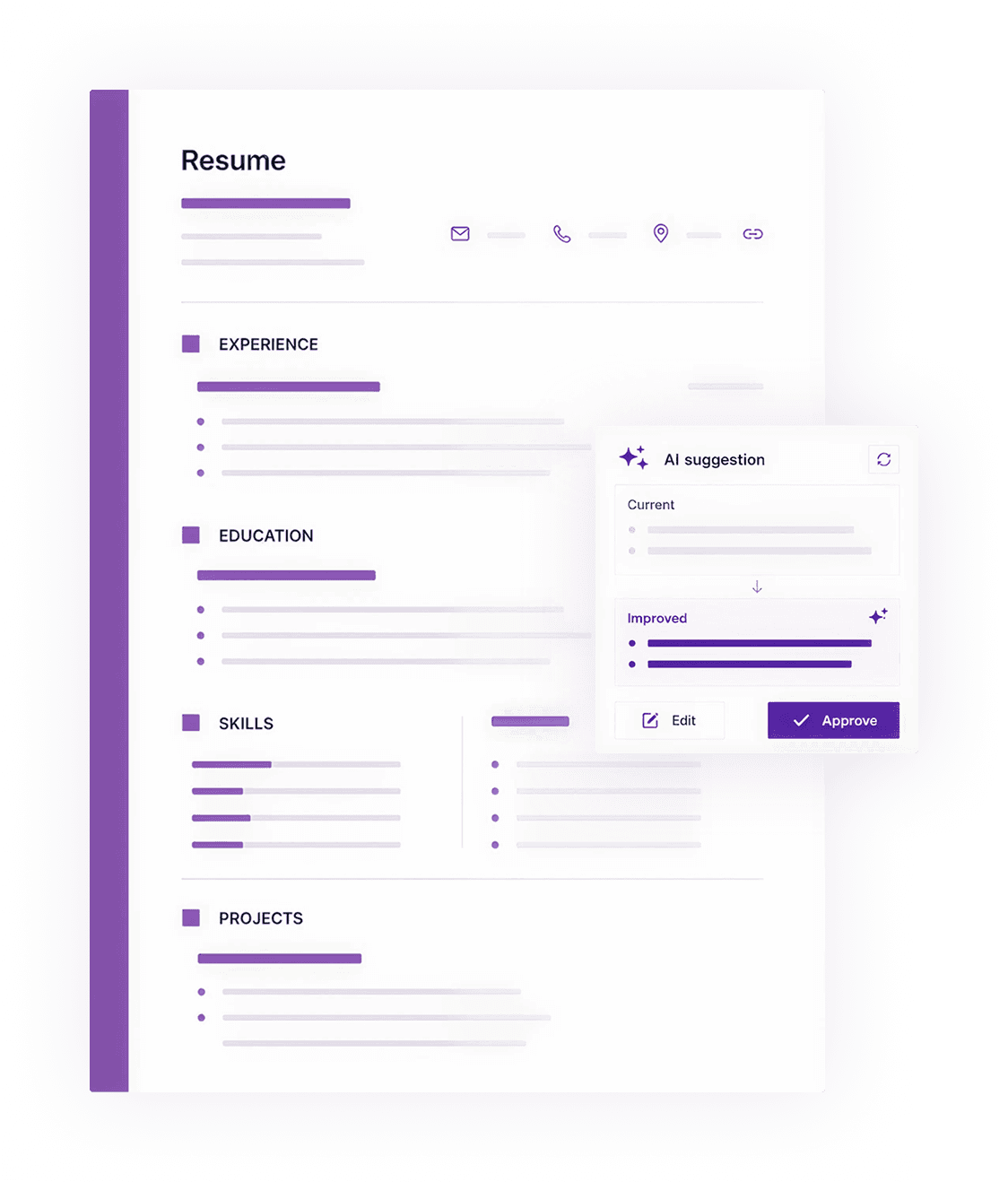
30 resume templates
Choose from professional layouts with real A4 previews.
ATS-friendly templates
Clean headings and text-based structure help hiring systems read the resume correctly.
AI suggestions you control
Rewrite summaries, bullets, and education text, then approve or edit before anything changes.
Job-description suggestions
Paste a role description and review suggestions before applying them.
Export-ready files
Download PDF, DOCX, or TXT when your resume and cover letter are ready.
Start from the CV you already have. Point it at a job description and export a resume and cover letter written for that role.
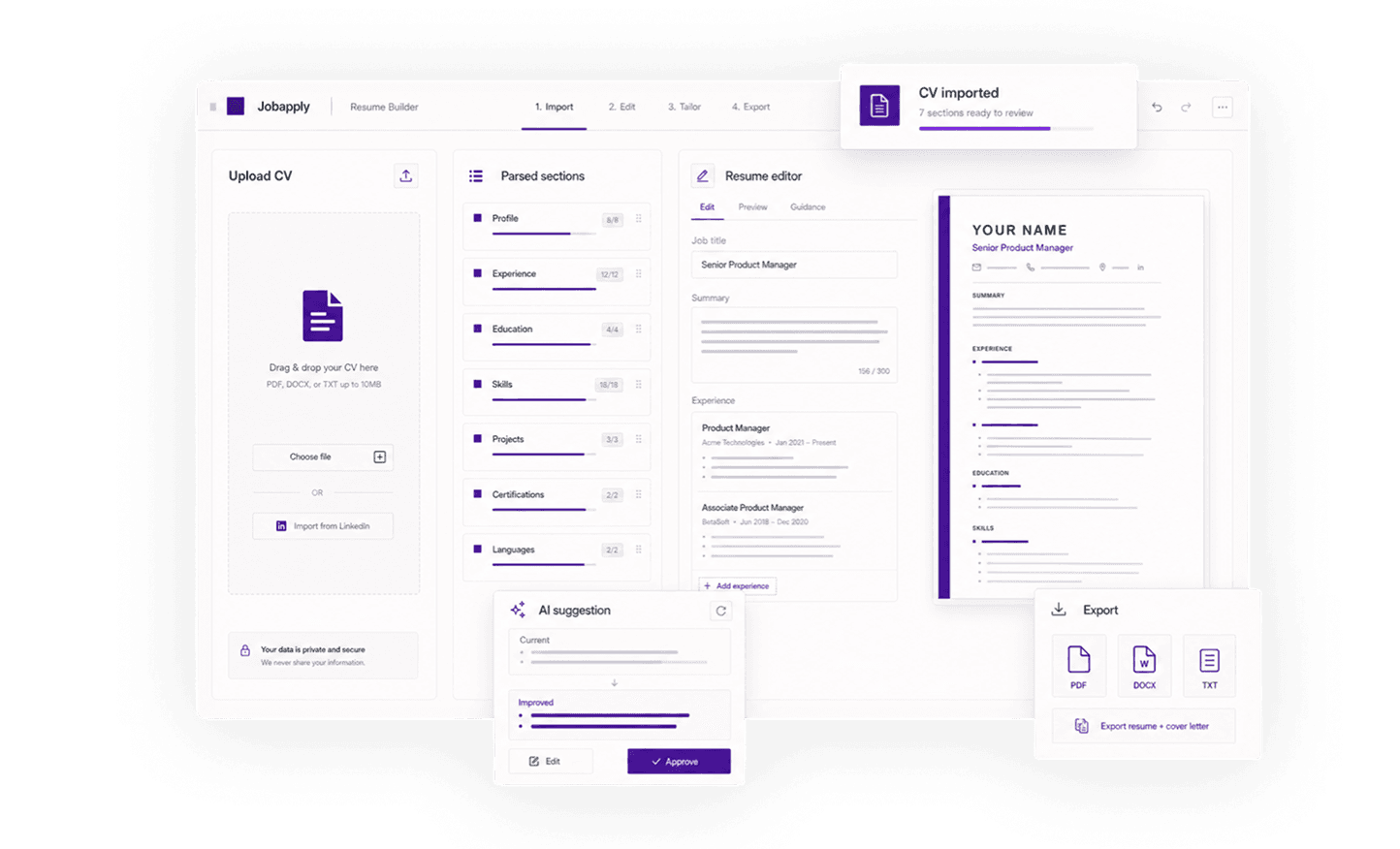
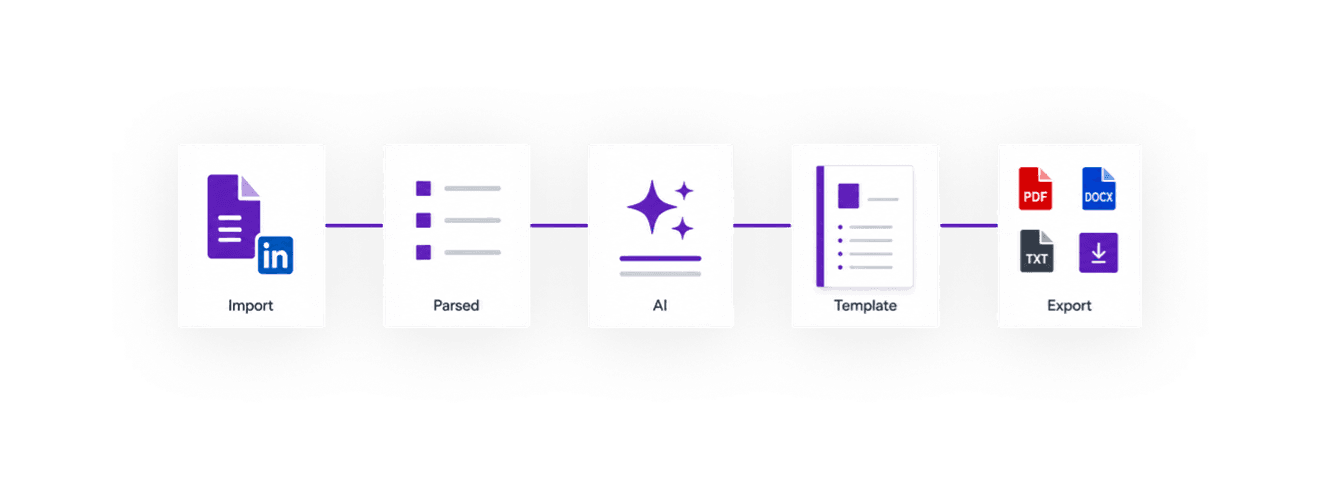
Every AI change appears beside your current text. Accept it, edit it, or skip it.
Start with a file or pasted text, then review the imported sections.
Fill in personal details, experience, education, skills, and optional sections.
Review job-description suggestions before applying them to your resume.


Download resume and cover letter files as PDF, DOCX, or TXT.




Start editing right away
Choose a template, import or add details, and keep editing without an activation gate.
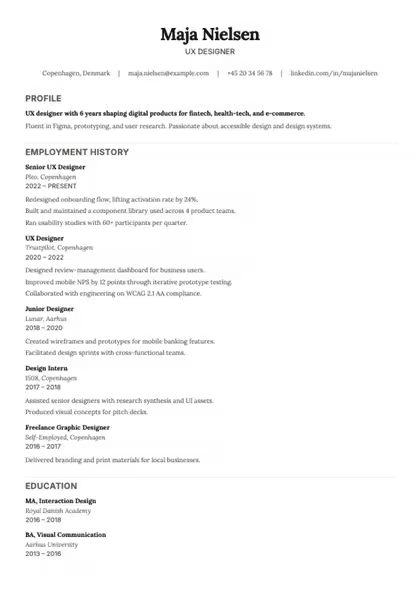
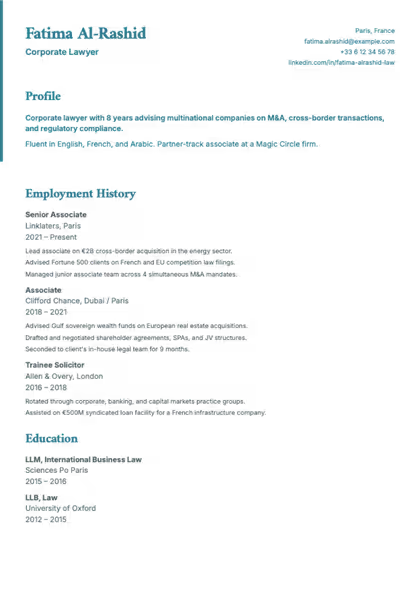
Built for academic CVs — calm serif titles and room for long publication lists.
Use this template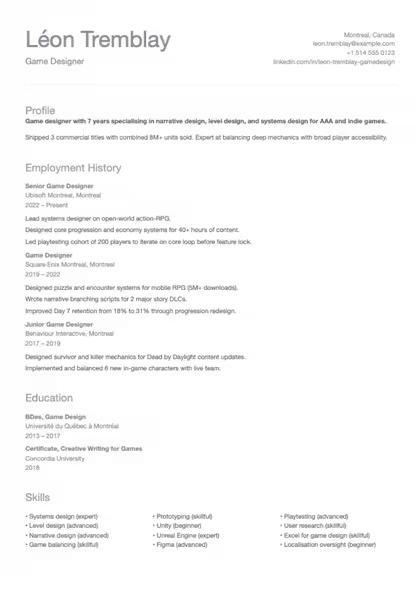
Swiss-minimal and strictly grayscale, for when restraint is the statement.
Use this template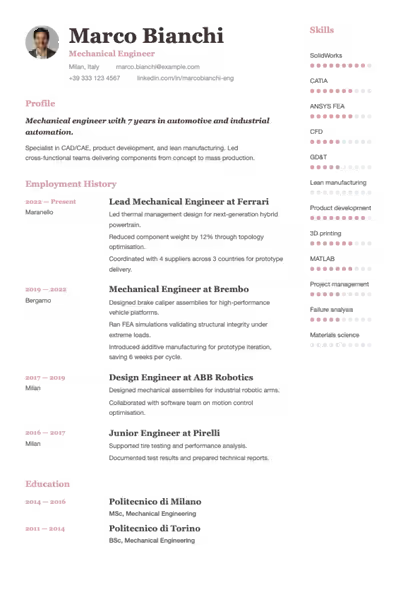
Editorial serifs with a dusty-rose touch — polished without trying too hard.
Use this template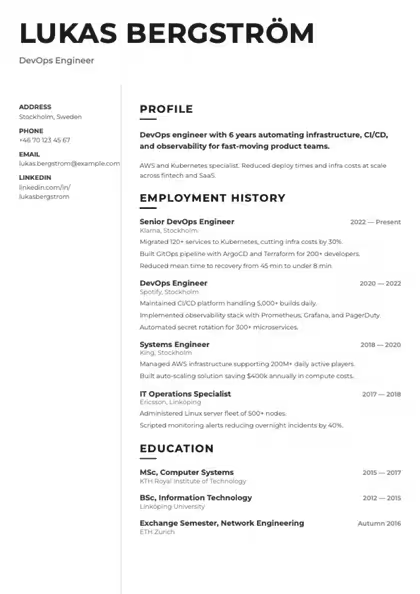
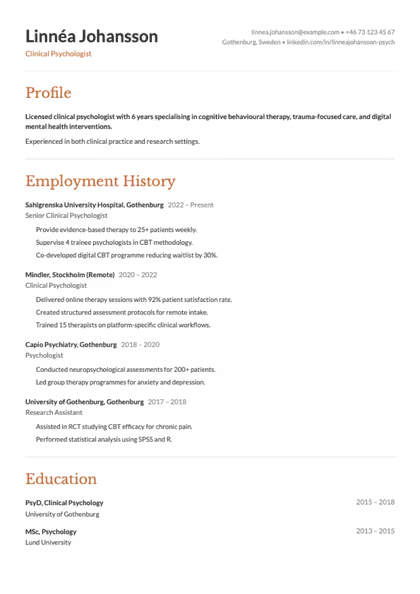
Warm and structured, with an orange accent that keeps formal from feeling stiff.
Use this template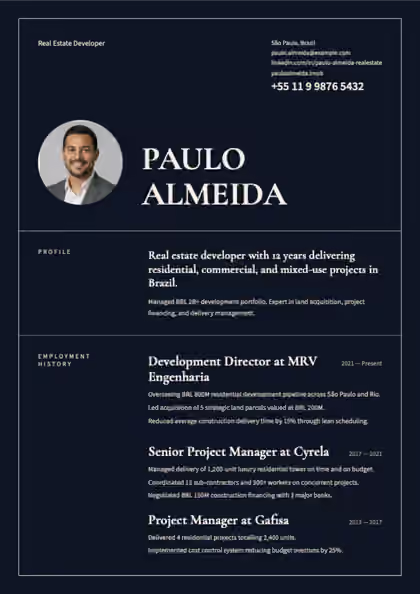
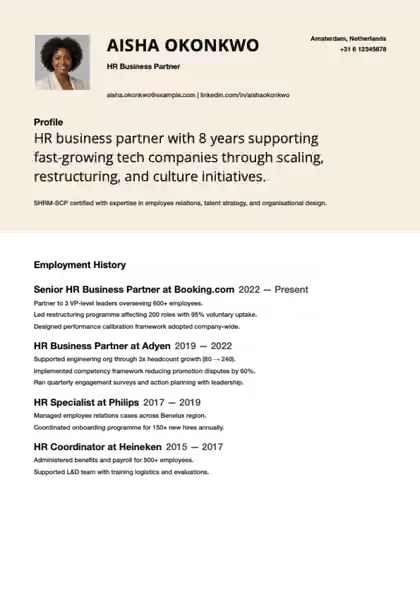
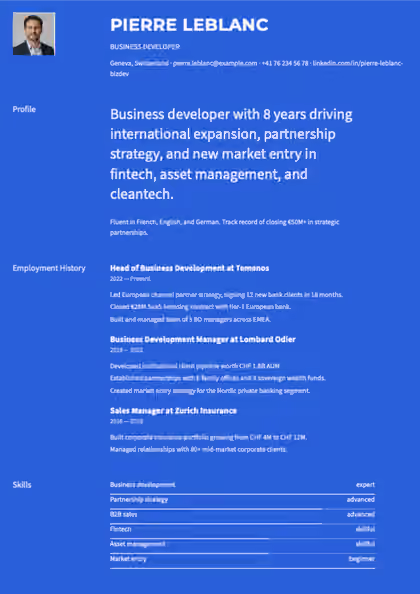
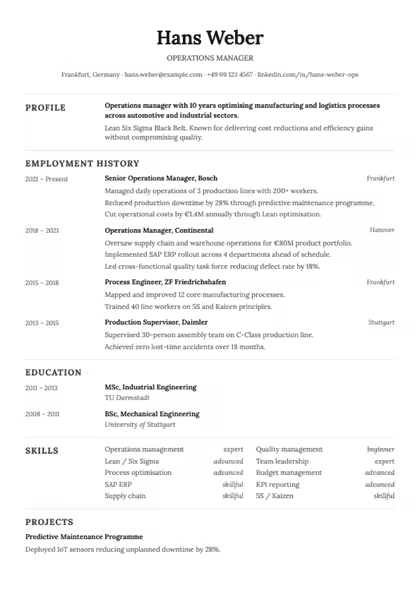
The classic European CV with a date-column timeline recruiters already know how to read.
Use this template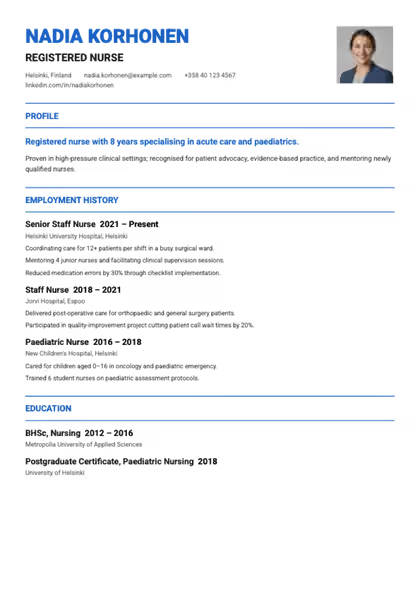
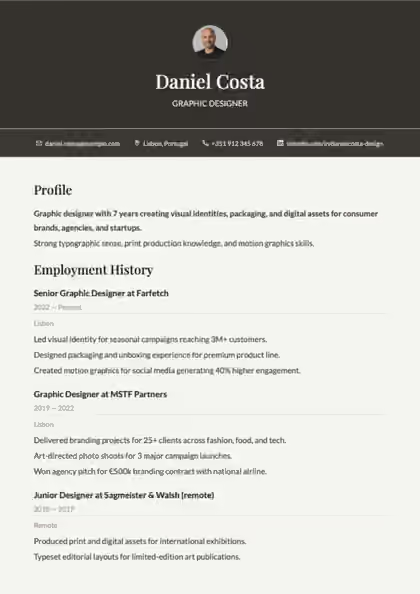
A clean single column with photo — the safe pick that still looks sharp.
Use this template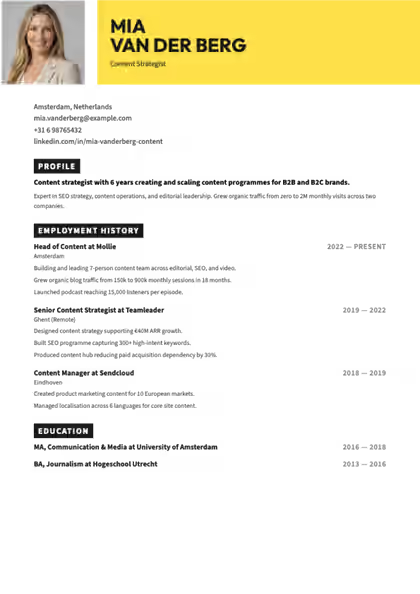
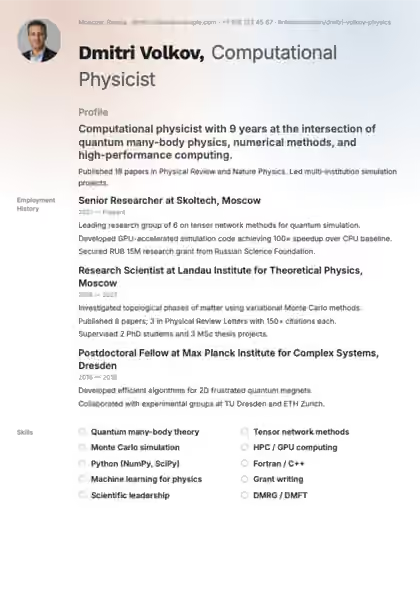
A warm gradient up top, strict left-label structure below — personality and precision.
Use this template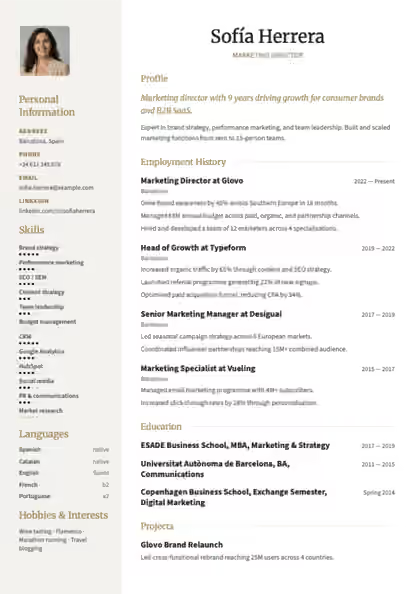
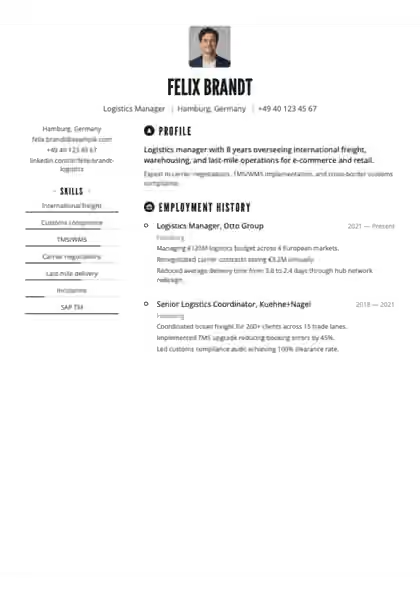
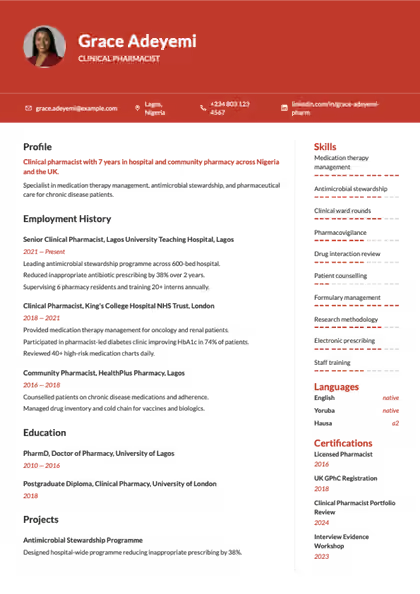
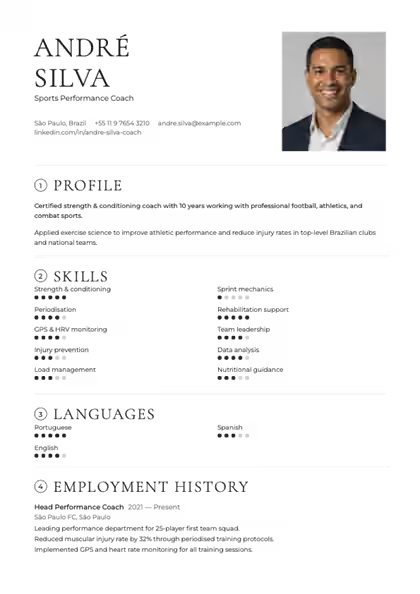
An editorial single column with circled section numbers — crafted, not decorated.
Use this template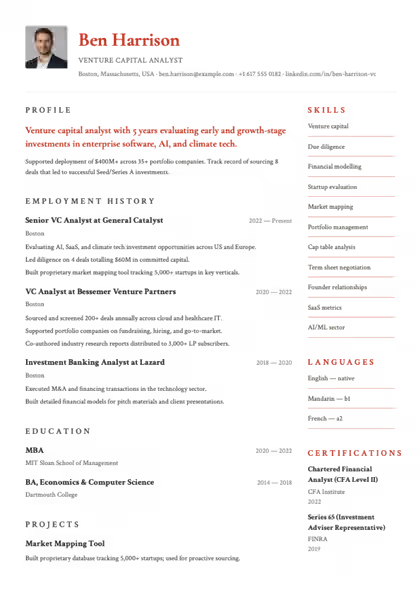
Classic serif two-column with a crimson accent, made for high-stakes applications.
Use this template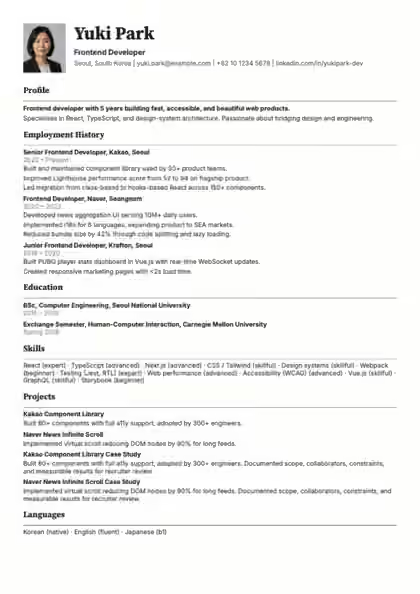
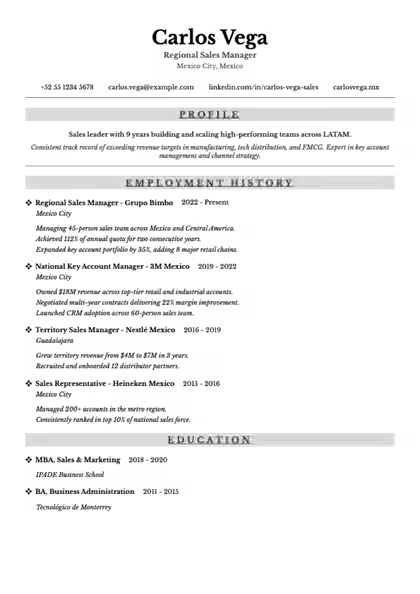
Classical detailing, diamond ornaments, dotted leader lines — fine print done right.
Use this template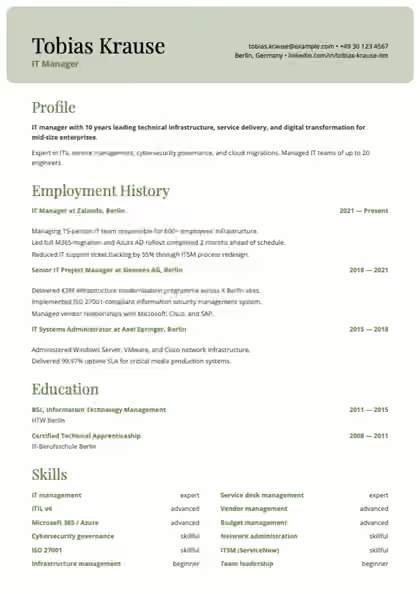
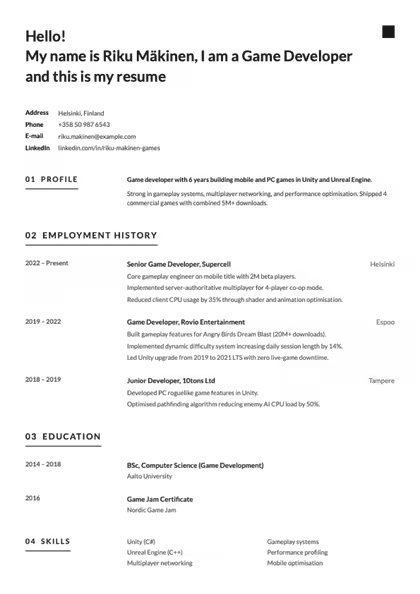
Opens with a greeting, breathes with numbered sections — personal and organized.
Use this template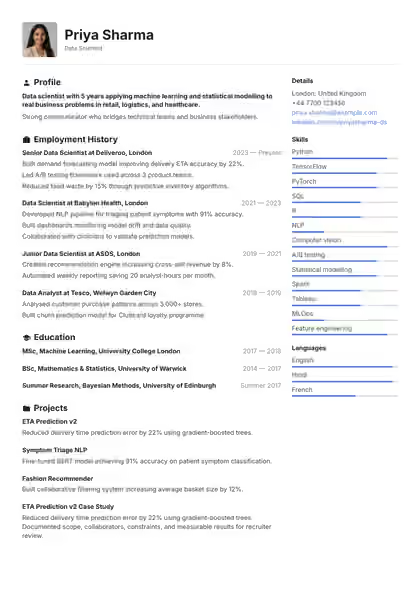
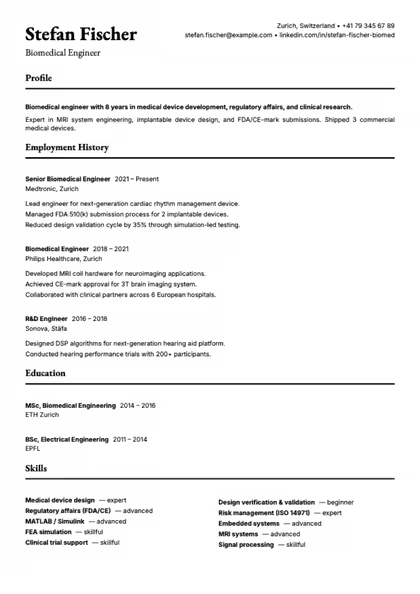
Traditional serifs and bold underline separators, made for deep expertise.
Use this template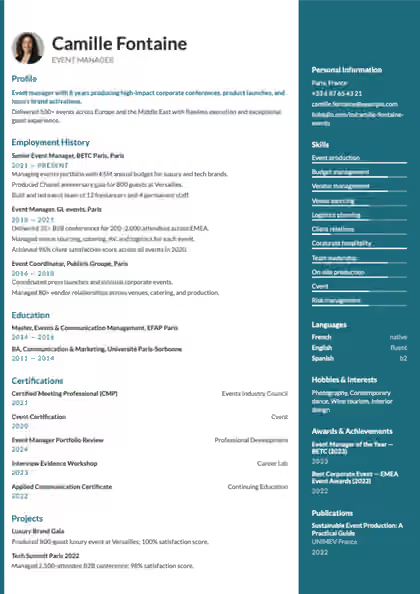
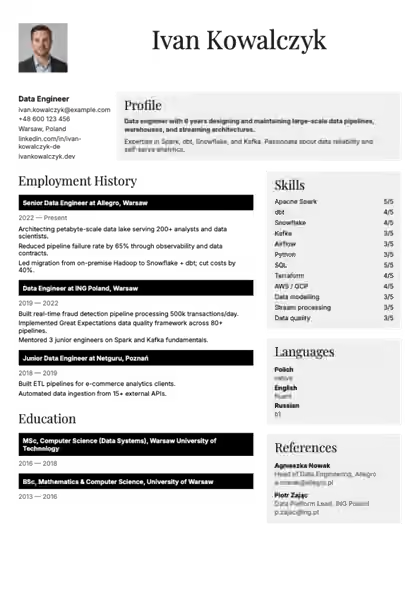
Bureau of Labor Statistics, Dental Assistants · O*NET OnLine, Dental Assistants · North Carolina State Board of Dental Examiners, Dental Assisting.