// AI RESUME BUILDER • IMPORT · TAILOR · COVER LETTER
Build a resume ready to send.
Import your CV, tailor it to a job with AI, add a cover letter. You approve every change.


Built for careful job applications
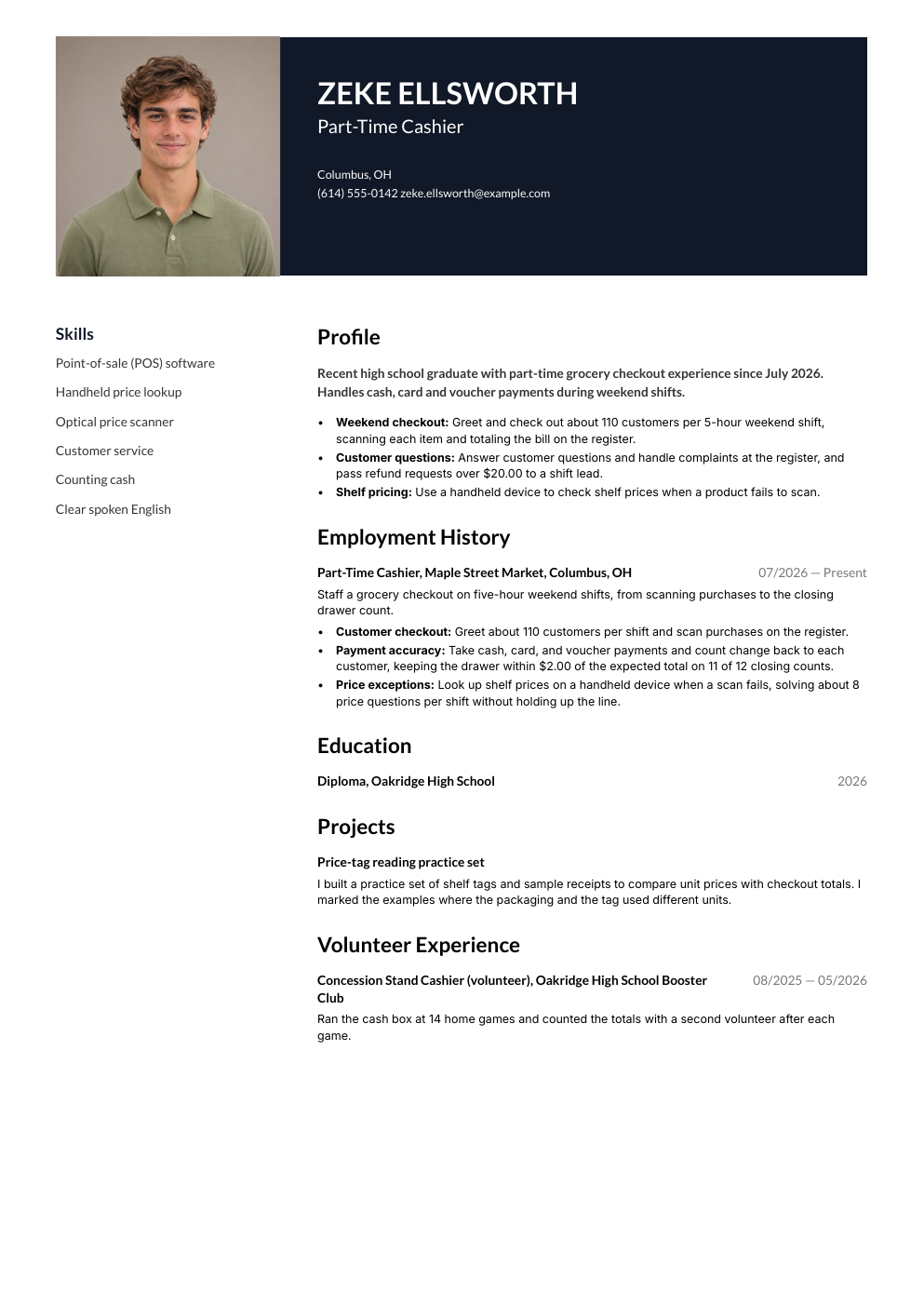
Show how you handled payments, price questions and the end-of-shift count. If you ran the front end, distinguish your own register work from responsibility for several lanes.

Identify whether your measure was customers, transactions or receipts.
About 110 customers in a five-hour shift.
Name payments you actually processed, especially when the store handles vouchers or checks.
Cash, card and vouchers.
Say how you resolved a failed scan or mismatched shelf price.
Checked a shelf price with a handheld device.
Explain which requests you handled and when a shift lead took over.
Refunds over $20 went to the shift lead.
State how close your count was to the register total and how many closings you checked.
Within $1 on 228 of 240 counts.
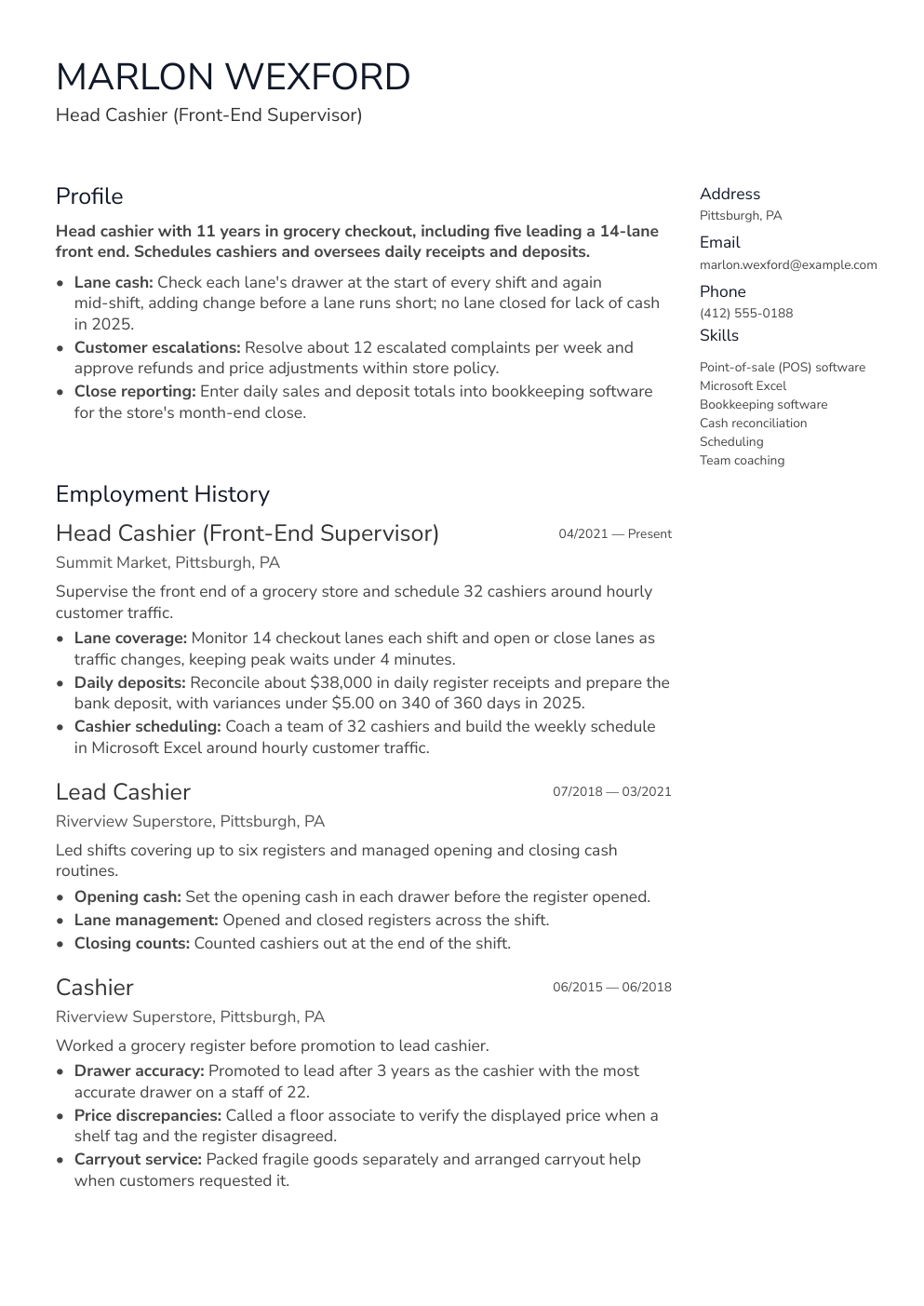
For a supervisor opening, explain when you opened registers or reassigned staff.
Scheduled cashiers around hourly customer traffic.
Give the counted cash and the expected register total as the two sides of the check. You can describe the comparison without sharing a drawer balance.
Explain what “balanced” meant at your store, such as within a dollar. Avoid calling a drawer exact when the measure allowed a difference.
State who received the overage or shortage report and when. A weekly exception log shows how discrepancies reached a supervisor.
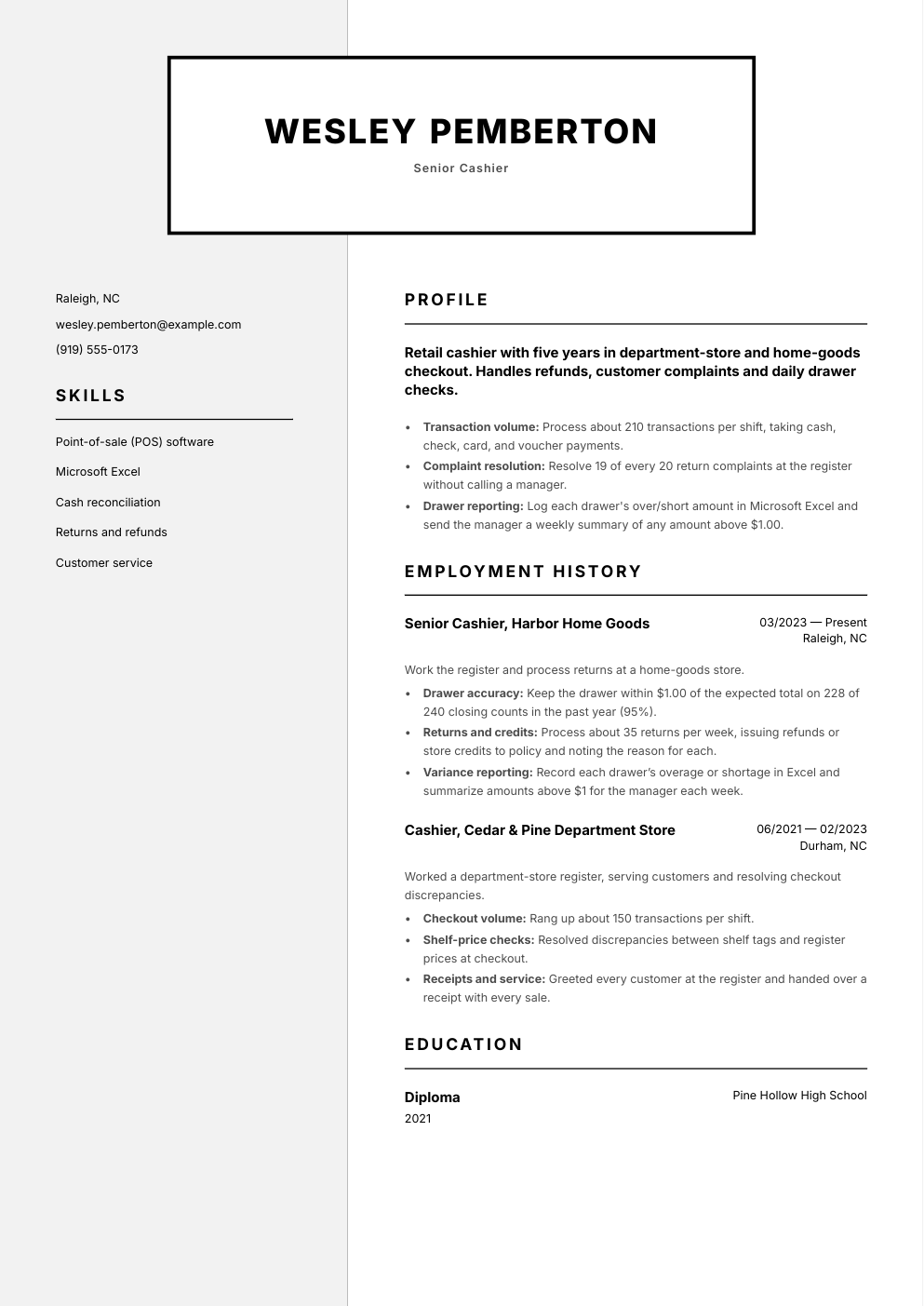
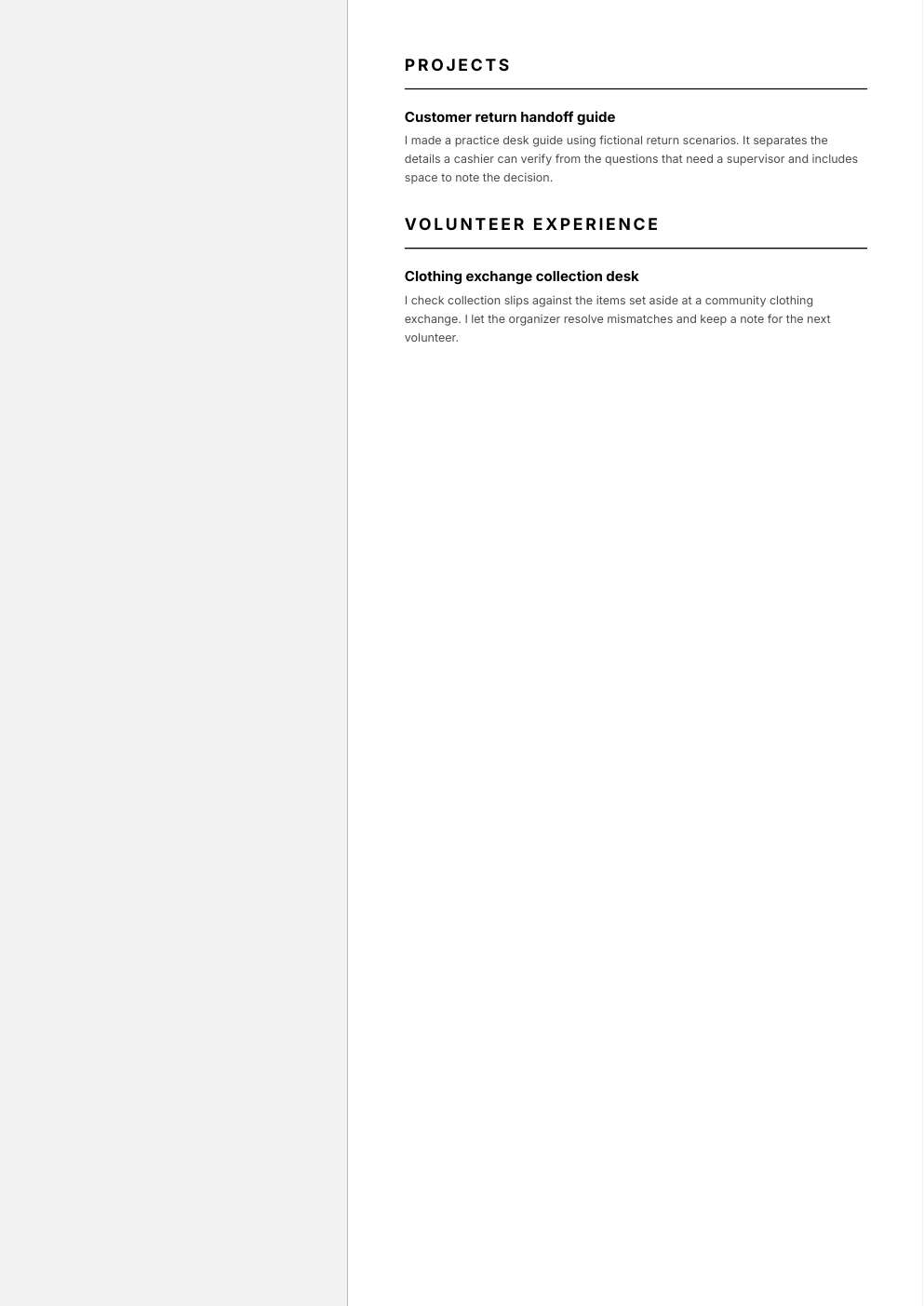
Name a real type of exception, such as a price adjustment or a return without the expected receipt. Leave out customer details.
Say which adjustments you could approve under policy and which required a lead. Different cashier positions may have different limits.
Mention the reason recorded, credit issued or handoff completed. Use a resolution rate only if the store tracked it.
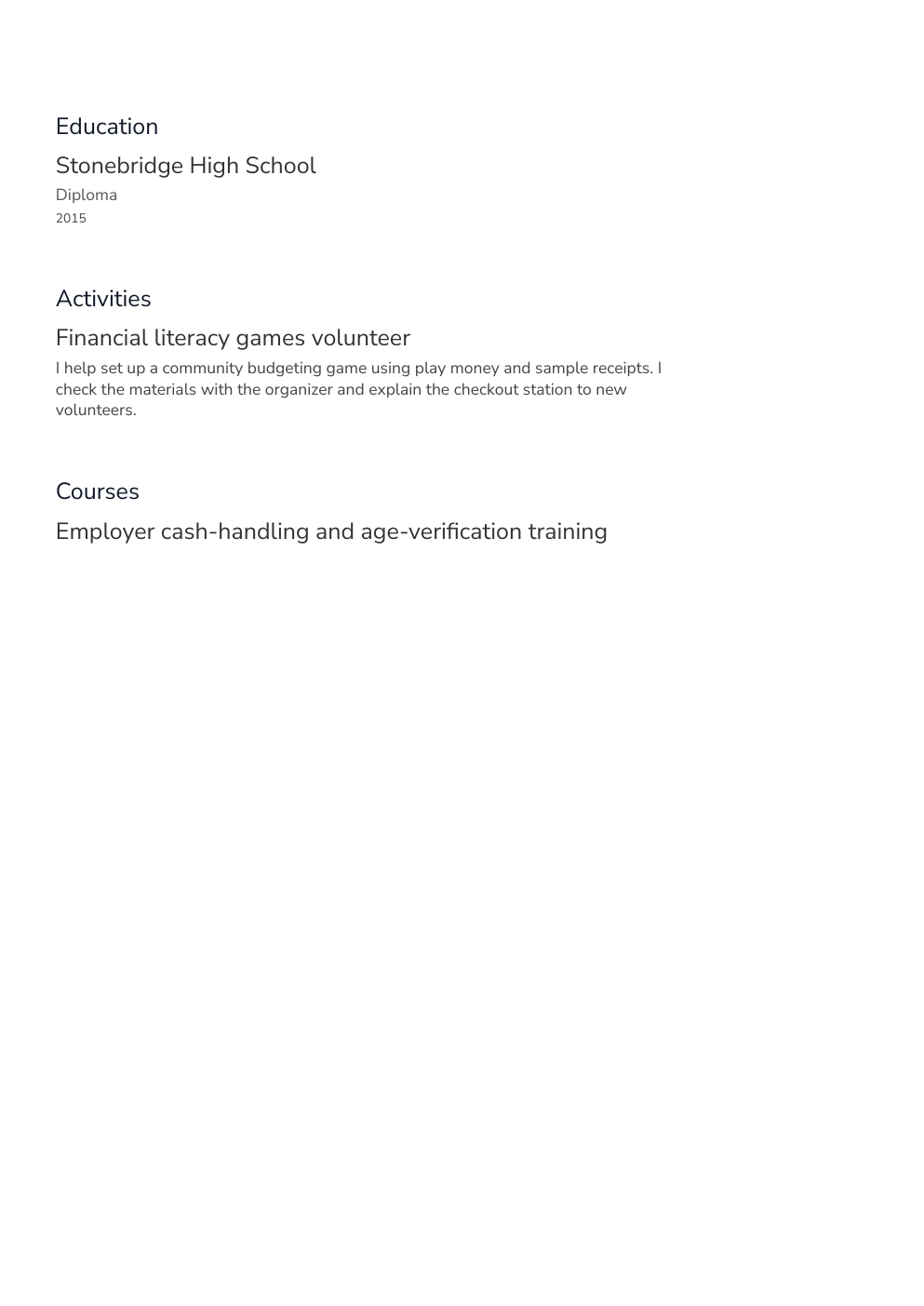
Use school, volunteer or service work where you handled money, checked totals or helped customers. Be clear about the setting.
Use the number you actually tracked per shift and identify its unit. Customers, transactions and items scanned describe different things.
Name it if you used it and it matters to the opening. A payment, return or closing task gives the software useful context.
State the verified tolerance and number of counts that met it. A measured record is more informative than a claim of perfect accuracy.
Describe a specific issue such as a failed scan or a return. Say what you resolved and when a manager took over.
Yes, if store policy permits sharing them. Otherwise explain that you completed routine returns and referred exceptions to a lead.
Show how many lanes or cashiers you covered, how you adjusted staffing and what you checked at close. Keep the team result attributed to the team.
Include it when the role combines checkout and floor work. Give the department, shift or stock task instead of repeating a general customer-service bullet.
Separate totaling the registers, preparing the deposit and making a bank delivery. Claim only the steps you handled.
Include specific days or shifts if the opening asks and you can work them. A prior weekend shift can show experience without promising future availability.
Import your CV, tailor it to a job with AI, add a cover letter. You approve every change.
Built for careful job applications
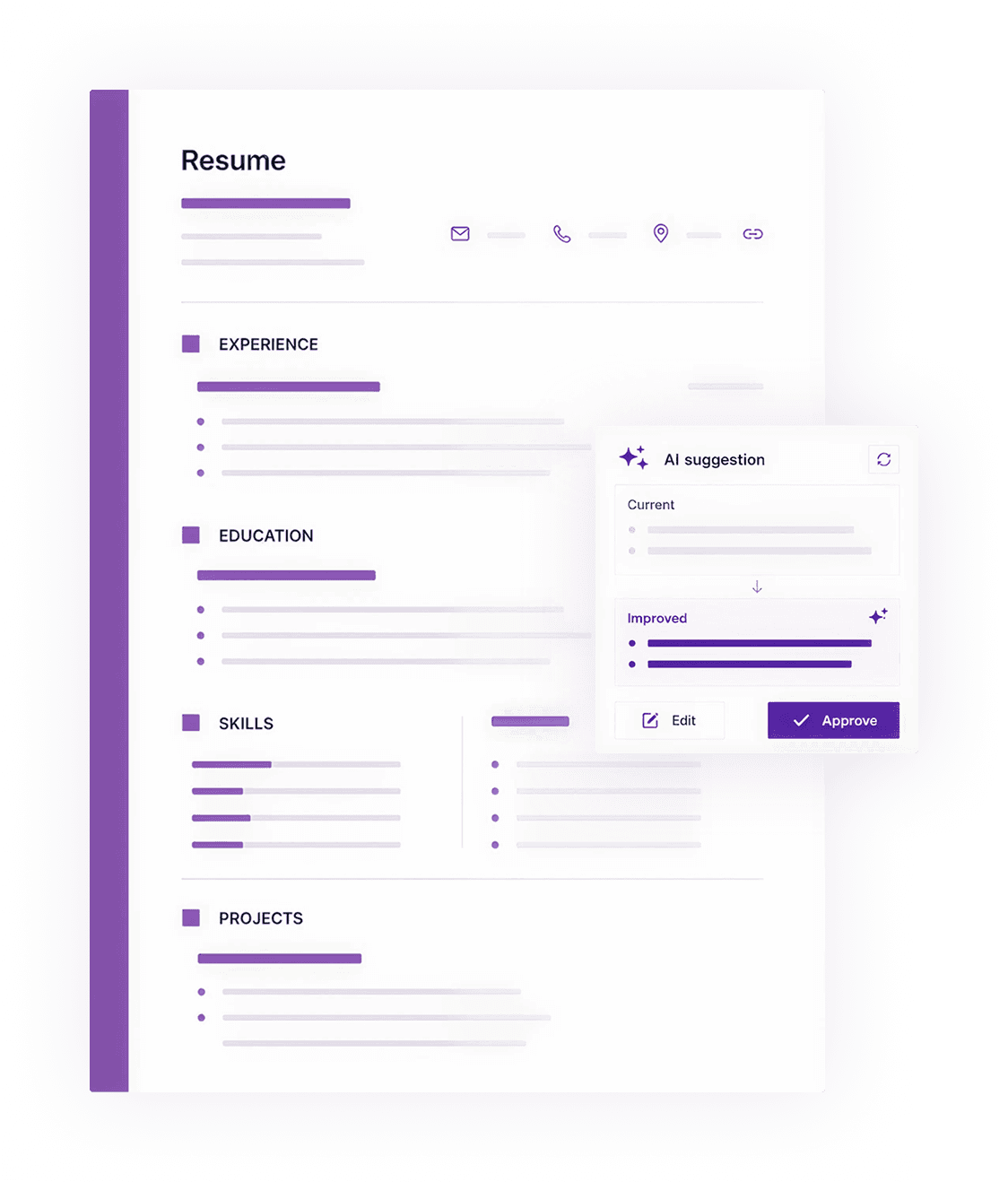
30 resume templates
Choose from professional layouts with real A4 previews.
ATS-friendly templates
Clean headings and text-based structure help hiring systems read the resume correctly.
AI suggestions you control
Rewrite summaries, bullets, and education text, then approve or edit before anything changes.
Job-description suggestions
Paste a role description and review suggestions before applying them.
Export-ready files
Download PDF, DOCX, or TXT when your resume and cover letter are ready.
Start from the CV you already have. Point it at a job description and export a resume and cover letter written for that role.
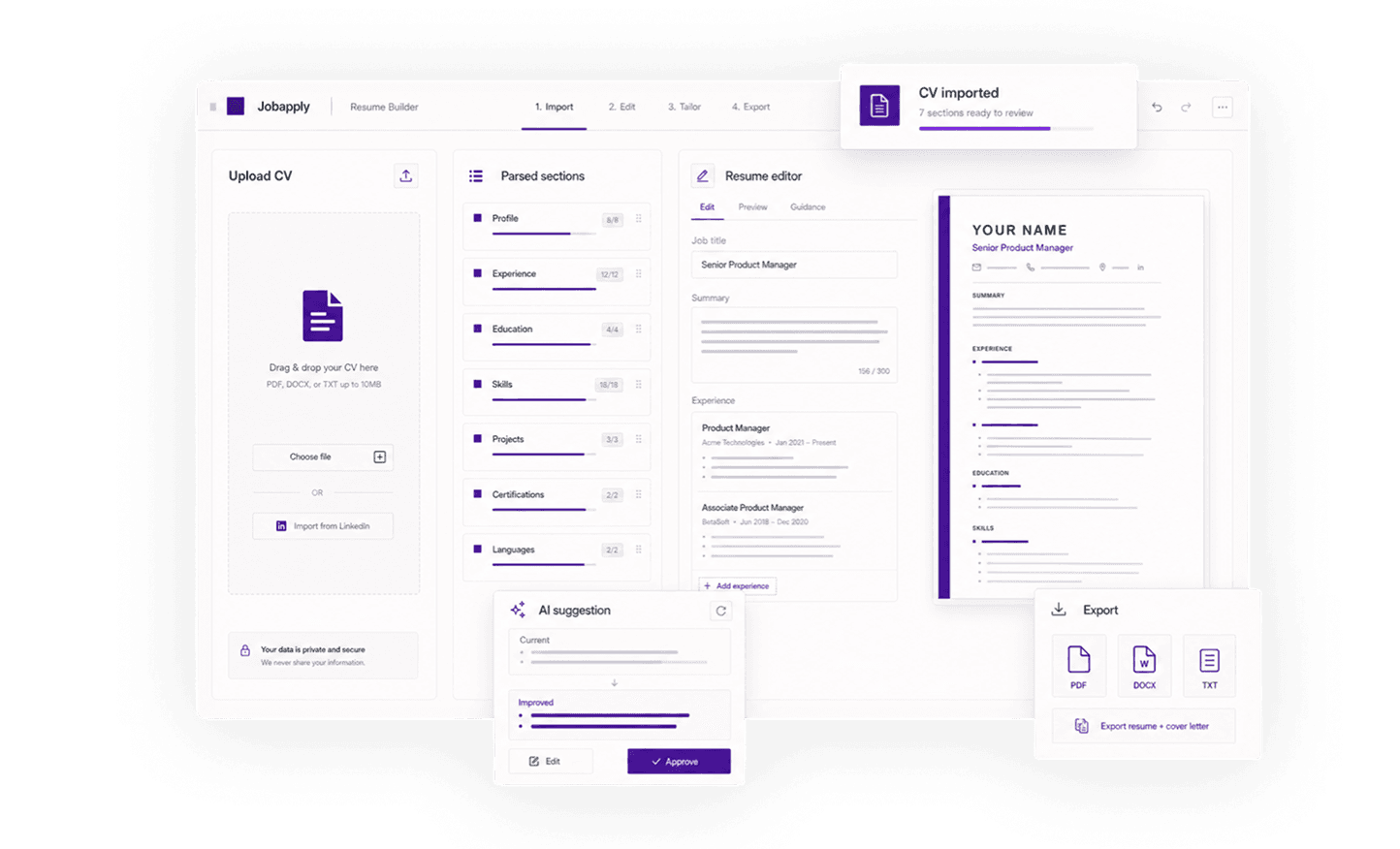
Every AI change appears beside your current text. Accept it, edit it, or skip it.
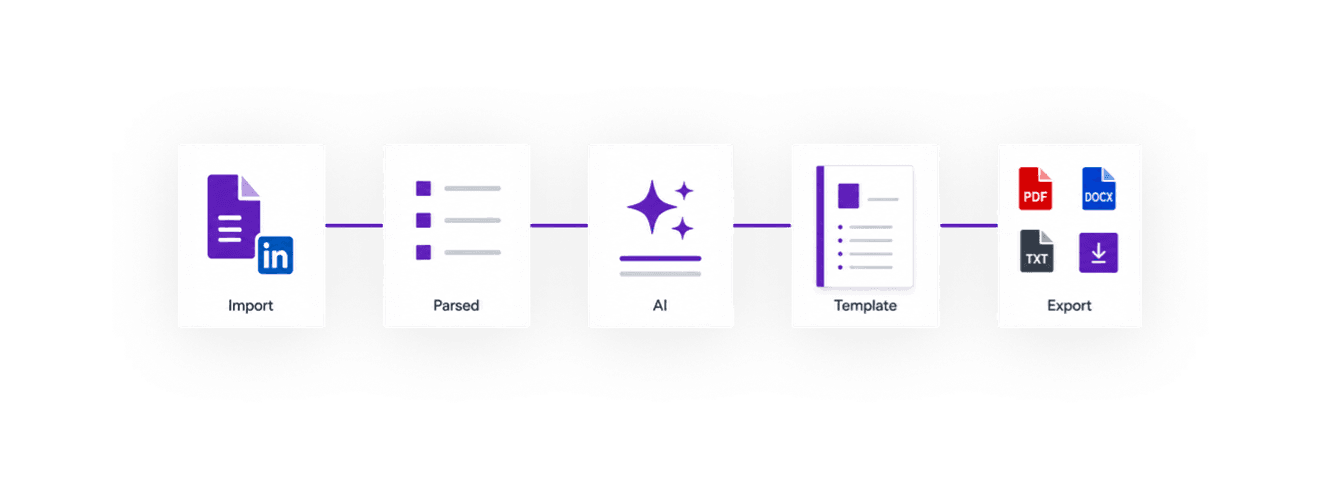
Start with a file or pasted text, then review the imported sections.
Fill in personal details, experience, education, skills, and optional sections.
Review job-description suggestions before applying them to your resume.


Download resume and cover letter files as PDF, DOCX, or TXT.




Start editing right away
Choose a template, import or add details, and keep editing without an activation gate.
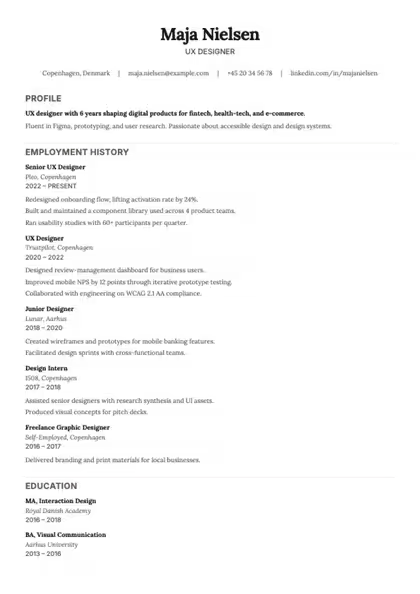
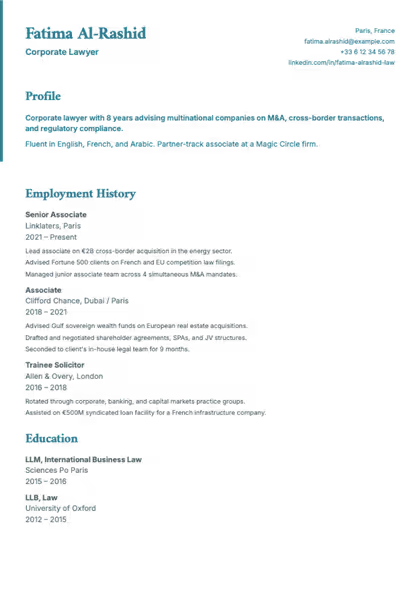
Built for academic CVs — calm serif titles and room for long publication lists.
Use this template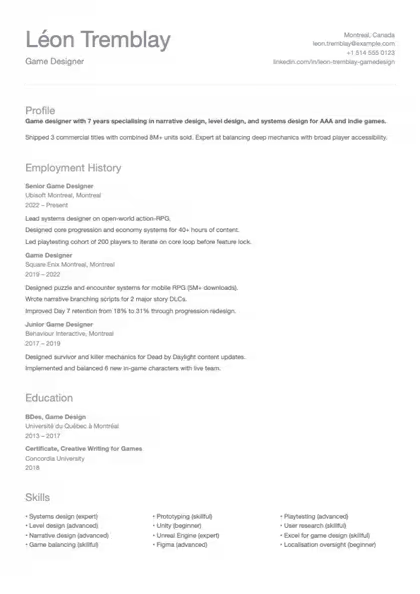
Swiss-minimal and strictly grayscale, for when restraint is the statement.
Use this template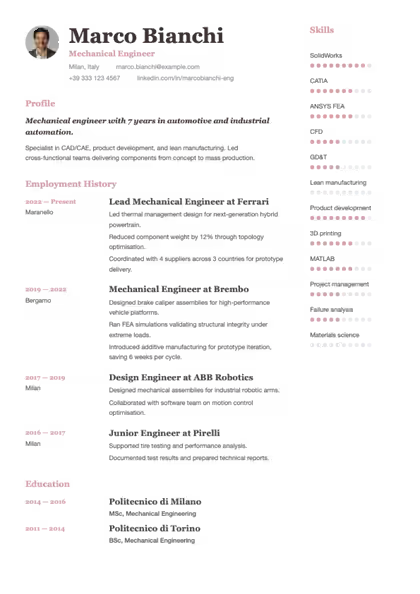
Editorial serifs with a dusty-rose touch — polished without trying too hard.
Use this template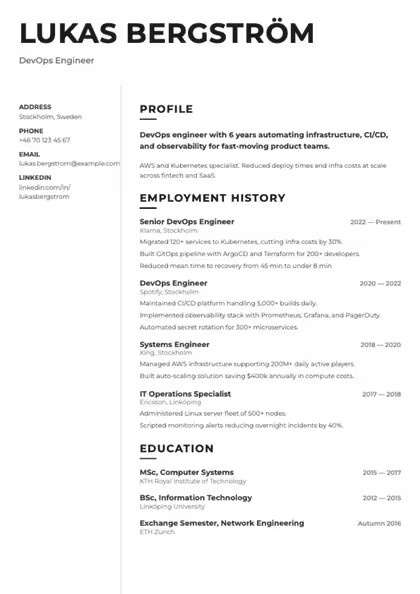
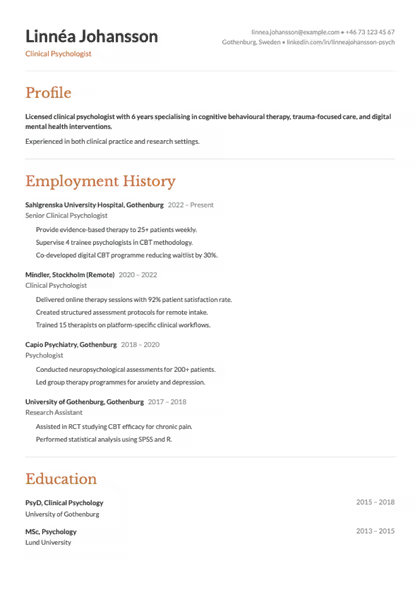
Warm and structured, with an orange accent that keeps formal from feeling stiff.
Use this template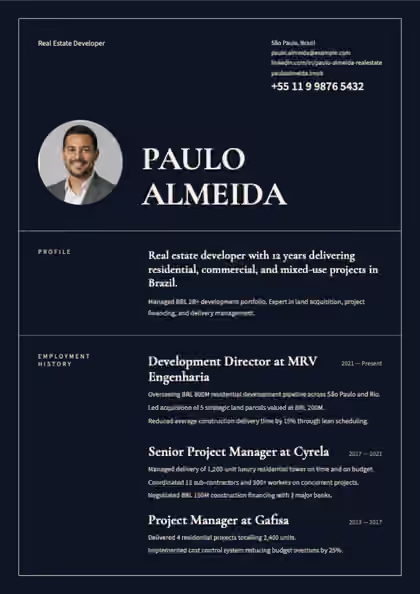
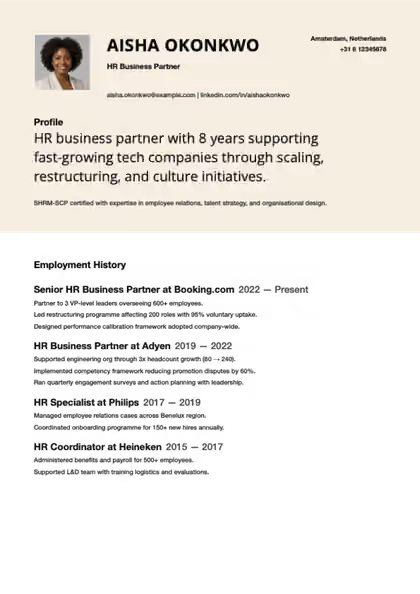
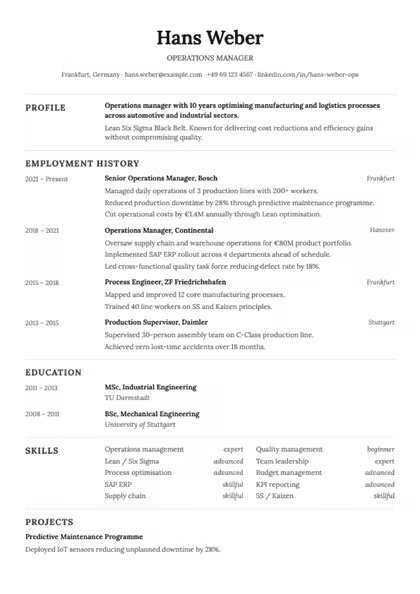
The classic European CV with a date-column timeline recruiters already know how to read.
Use this template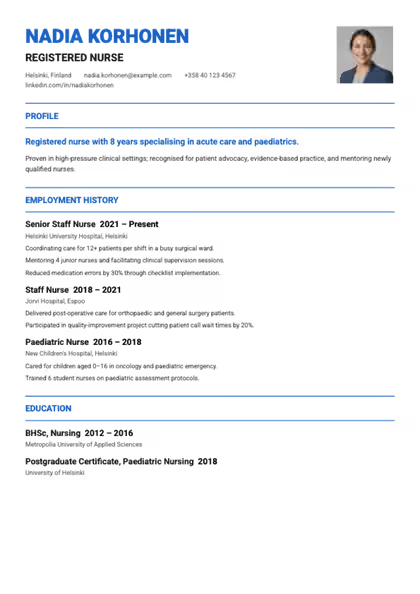
A clean single column with photo — the safe pick that still looks sharp.
Use this template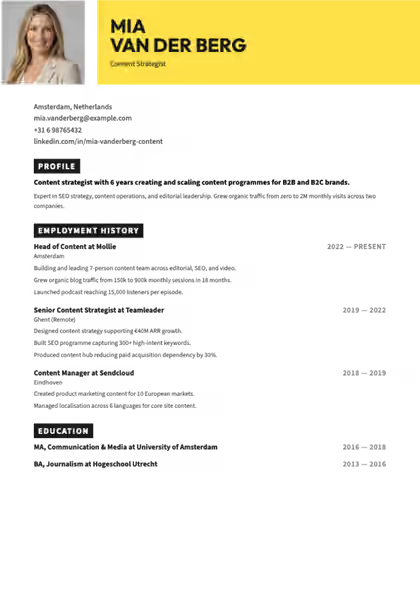
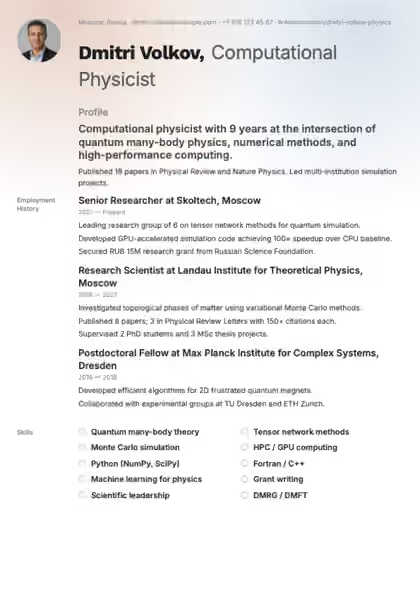
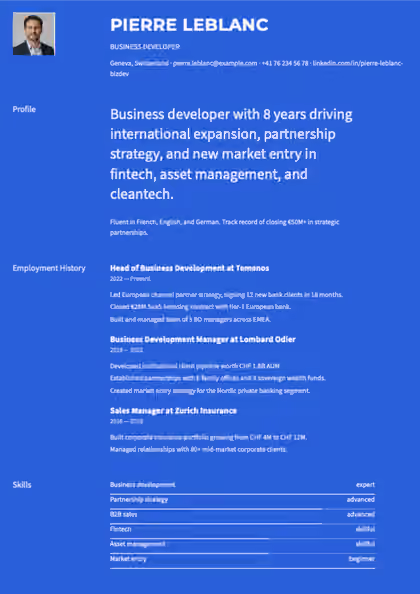
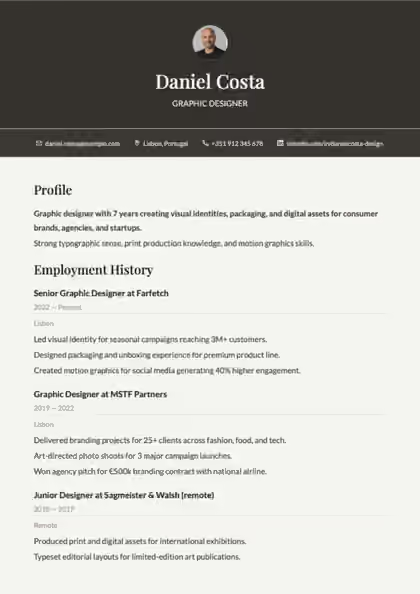
A warm gradient up top, strict left-label structure below — personality and precision.
Use this template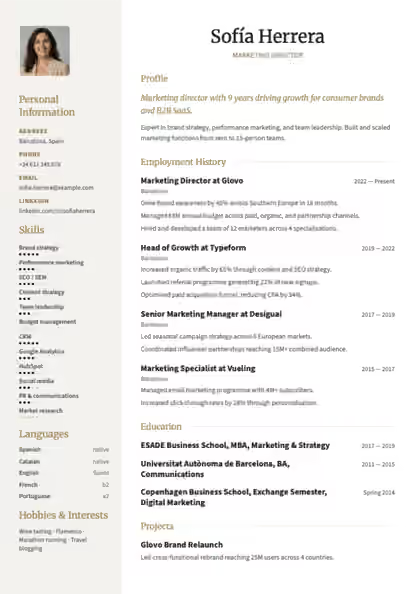
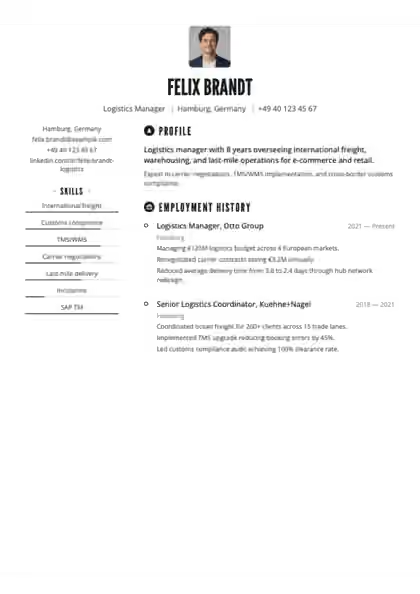
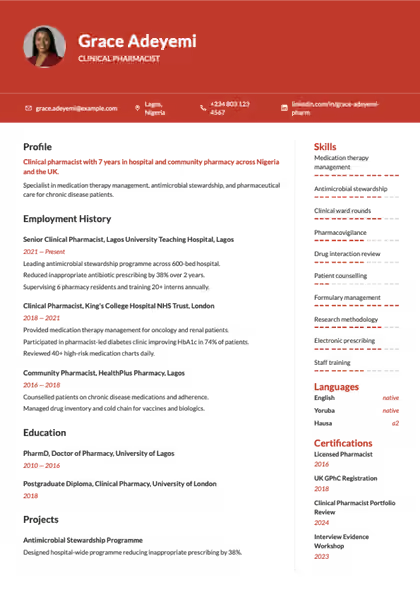
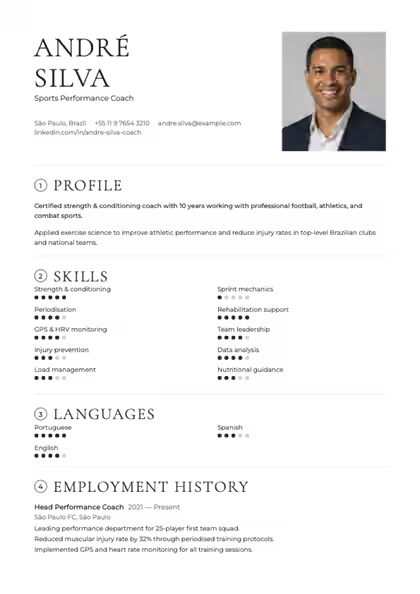
An editorial single column with circled section numbers — crafted, not decorated.
Use this template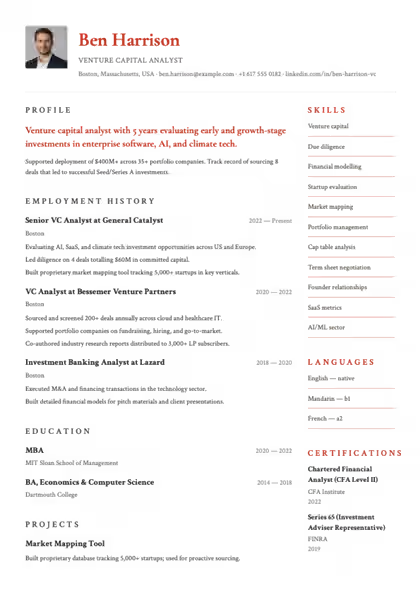
Classic serif two-column with a crimson accent, made for high-stakes applications.
Use this template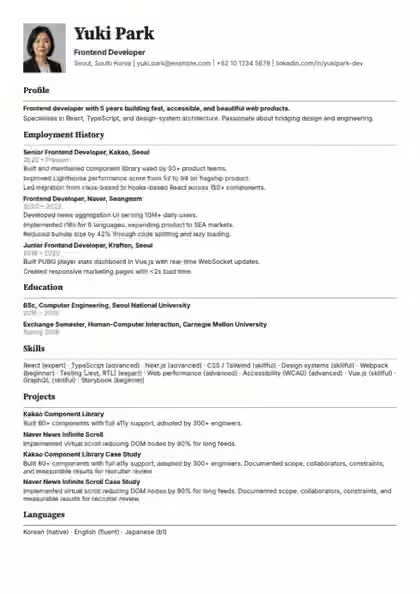
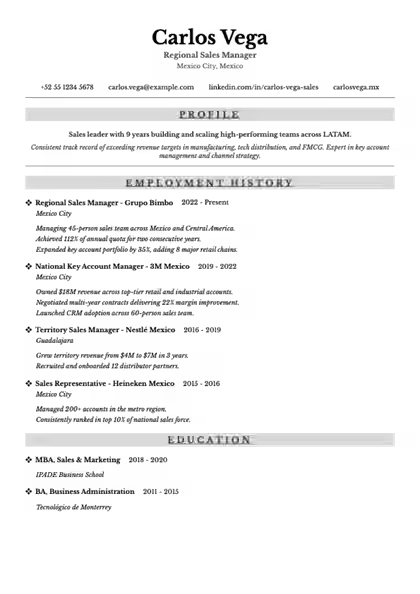
Classical detailing, diamond ornaments, dotted leader lines — fine print done right.
Use this template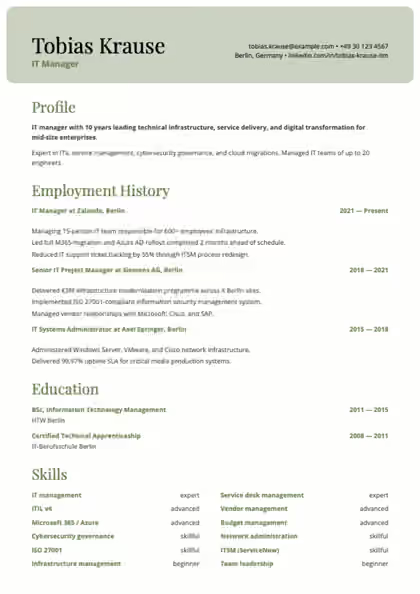
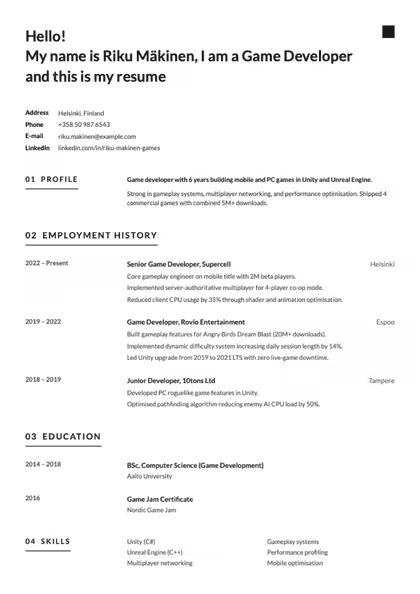
Opens with a greeting, breathes with numbered sections — personal and organized.
Use this template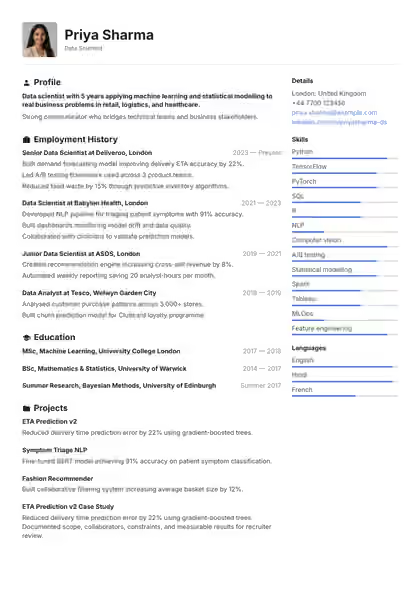
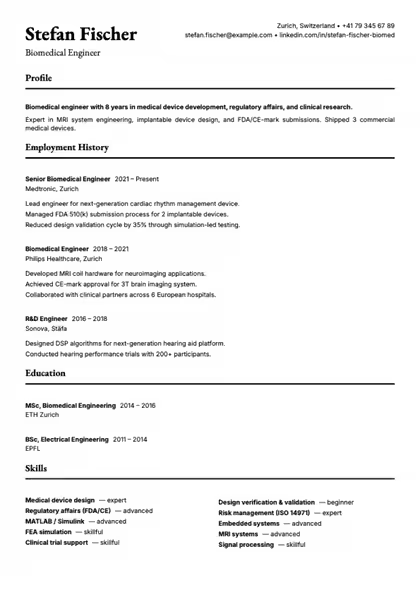
Traditional serifs and bold underline separators, made for deep expertise.
Use this template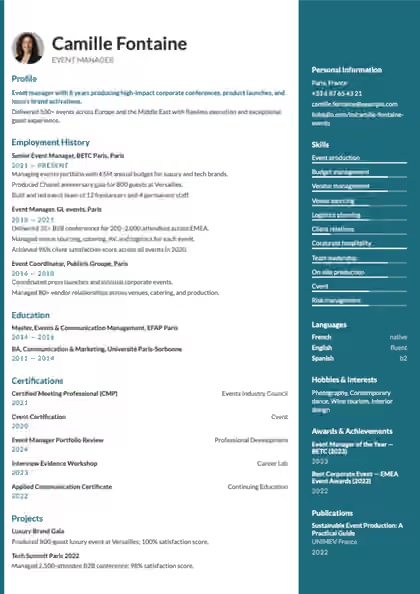
Bureau of Labor Statistics, Cashiers · O*NET OnLine, Cashiers.